
Top-Rated Supplies For Seamless Concrete Driveway Projects
Discover high-performance materials and accessories that help you achieve a smooth and professional finish.
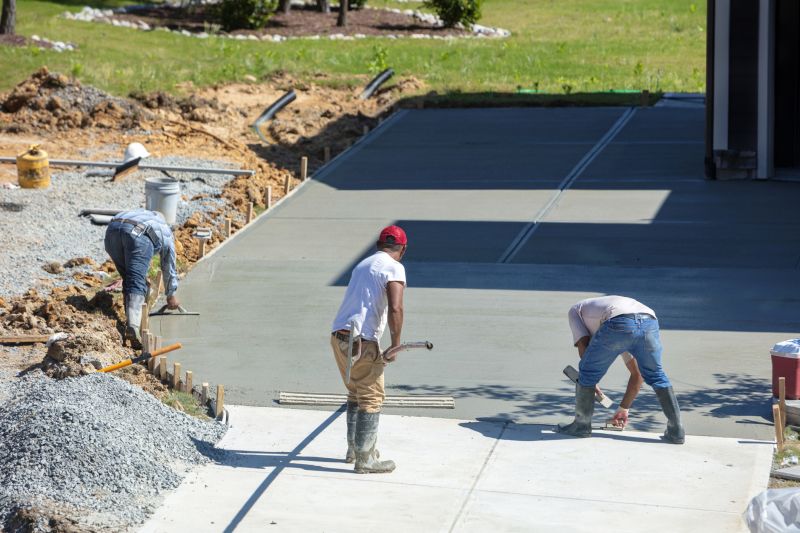 Constructing a durable and visually appealing concrete driveway involves selecting the right products and materials. From foundational components to finishing tools, each element plays a crucial role in ensuring the longevity and quality of the installation. Proper preparation, including the use of high-quality rebar or wire mesh, helps reinforce the concrete and prevent cracking over time. The choice of formwork and edging products also influences the final appearance, creating clean lines and a professional finish.
Top Overall Option
Heavy-Duty Concrete Reinforcement Mesh
This reinforcement mesh provides a sturdy foundation for concrete driveways, helping to distribute loads evenly and reduce the risk of cracking. Its durable steel construction ensures long-term performance, making it a reliable choice for various driveway sizes and conditions.
Types of Products For Concrete Driveway Installations
Reinforcement Mesh
Steel or fiber mesh used to strengthen the concrete and minimize cracking.
Form Boards and Edging
Materials that define the shape and edges of the driveway for a clean finish.
Concrete Mix
Pre-mixed or custom-blended concrete suitable for driveway applications.
Vibrators and Compaction Tools
Tools used to eliminate air pockets and ensure proper concrete compaction.
Curing Blankets and Sealants
Products that help retain moisture and protect the concrete during curing.
Expansion Joints
Materials that allow for movement and prevent cracking due to temperature changes.
Concrete Edging Tools
Tools for shaping and finishing the edges of the driveway.
Surface Finishers
Products used to create textured or smooth finishes on the concrete surface.
Sealants and Waterproofing Coatings
Protective coatings that help prevent water penetration and stains.
Leveling Screeds
Tools that help achieve a flat and even surface during pouring.
Popular Choices
Widely used for reinforcing concrete slabs and reducing cracking.
Pre-packaged mixes suitable for small or large driveway projects.
Products that facilitate easy removal of formwork and prevent sticking.
Sprays or liquids that aid in maintaining proper moisture during curing.
Essential for ensuring proper compaction and surface finish.
Materials that allow for expansion and contraction of concrete surfaces.
Devices for shaping and smoothing driveway edges.
Protective coatings that help extend the lifespan of the concrete.
Tools for creating slip-resistant or decorative finishes.
Tools to help spread and level concrete evenly.
In addition to structural materials, surface treatments and sealants are vital for protecting the concrete from stains, moisture, and wear. These products can enhance the driveway's resilience and appearance, making maintenance easier over the years. For optimal results, it's important to consider the specific conditions of the installation site, such as soil type, drainage, and load requirements, when selecting your products.
The process of installing a concrete driveway can be complex, involving multiple stages from site preparation to curing. Using the right tools and accessories, such as vibrators for proper compaction or curing blankets to retain moisture, can significantly impact the outcome. Investing in quality products suited for each phase of installation helps achieve a smooth, durable surface that meets your aesthetic and functional needs.
Key Buying Considerations
- Compatibility with your specific driveway size and load requirements.
- Durability and strength of reinforcement materials.
- Ease of installation and compatibility with existing tools.
- Type of surface finish desired, such as smooth or textured.
- Weather conditions during installation and curing process.
- Ability to accommodate expansion joints and control joints.
- Protection against cracking and structural integrity.
- Ease of application and curing time of surface treatments.
- Compatibility of sealants with the concrete surface.
- Cost-effectiveness and long-term maintenance needs.
- Availability of accessories and replacement parts.
- Reputation and reviews of the product or brand.
- Compliance with local building codes and standards.
- Environmental conditions that may affect product performance.
- Ease of transportation and storage of materials.